ONE BOTTLE SOLD EVERY 7 MINUTES*
Over the last four decades, our mastery of botanicals and oil expertise has enabled us to create high-performing face oils that nourish the skin and soothe the mind. Whether you seek to smooth and firm, soothe and reinforce, revitalise and recover or hydrate and glow, each face oil is meticulously formulated, harnessing the power of farm-grown actives to deliver visible results with every drop.
*Worldwide Sales of Purely Age-Defying Firming Face Oil 50mL; Rare
Rose Face Oil 20mL & 50mL; Skin Balancing Face Oil 50mL 2023
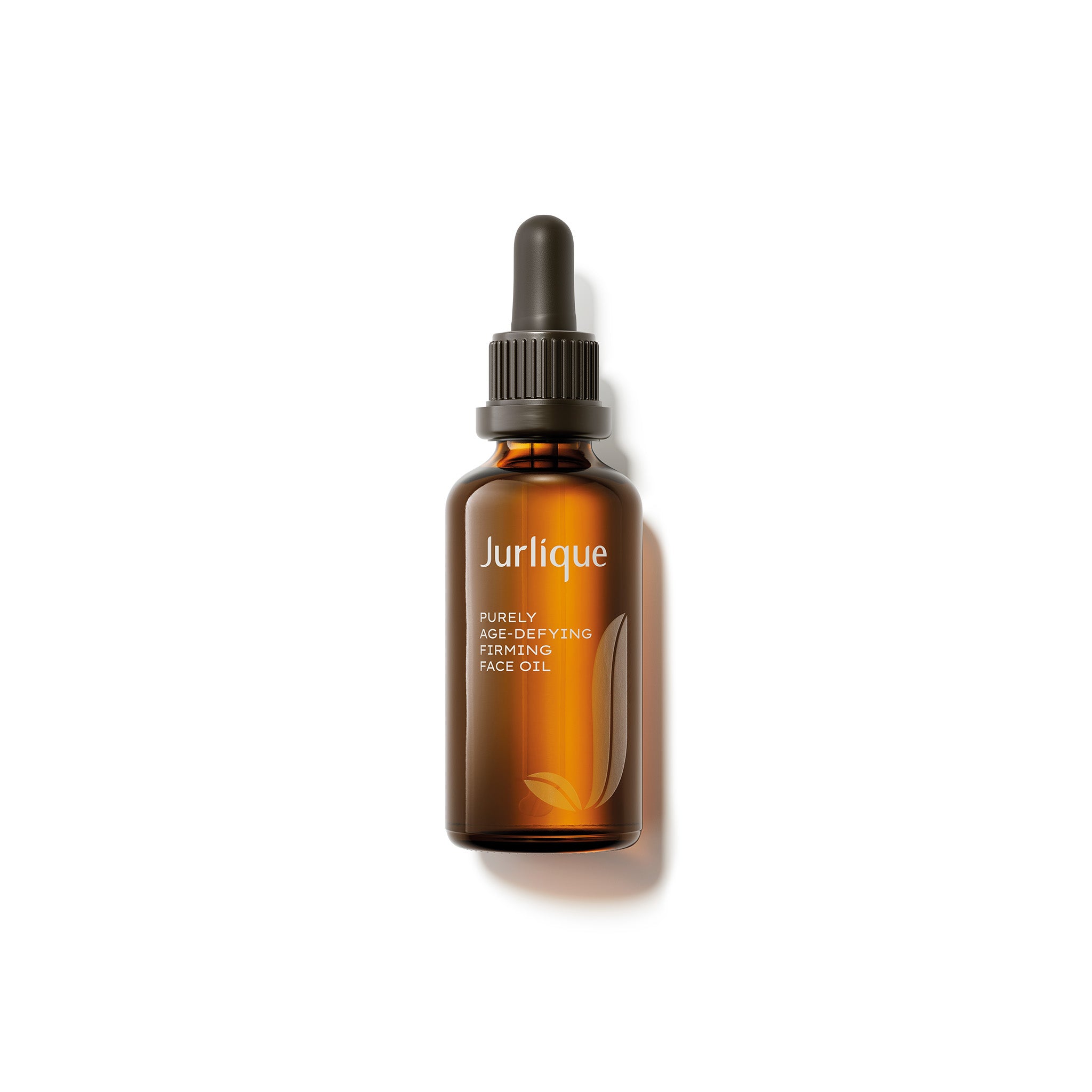
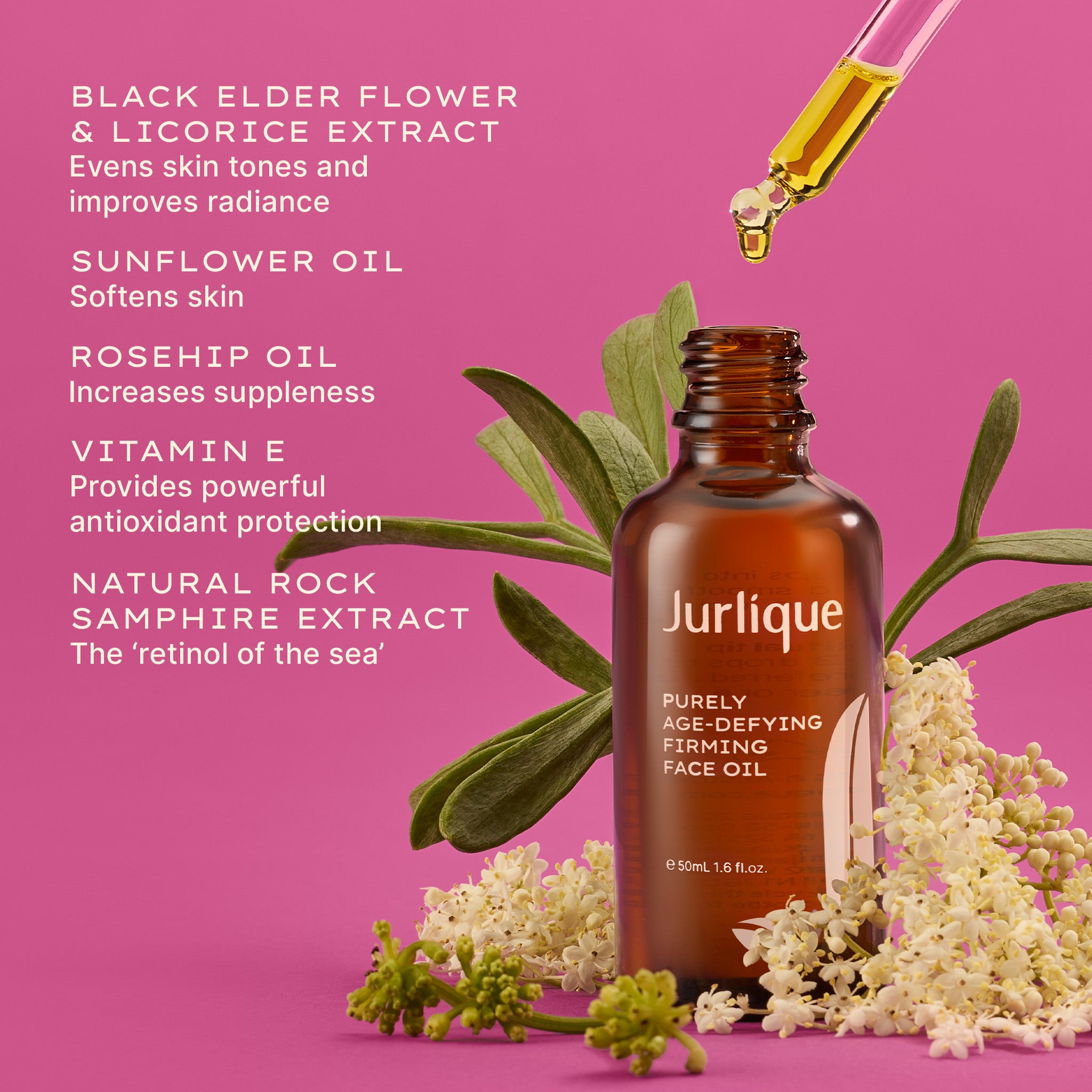
Purely Age-Defying Firming Face Oil
Helps with: Advanced Signs of Ageing


Herbal Recovery Face Oil
Helps with: First Signs of Ageing


Calendula Face Oil
Helps with: Sensitivity & Redness
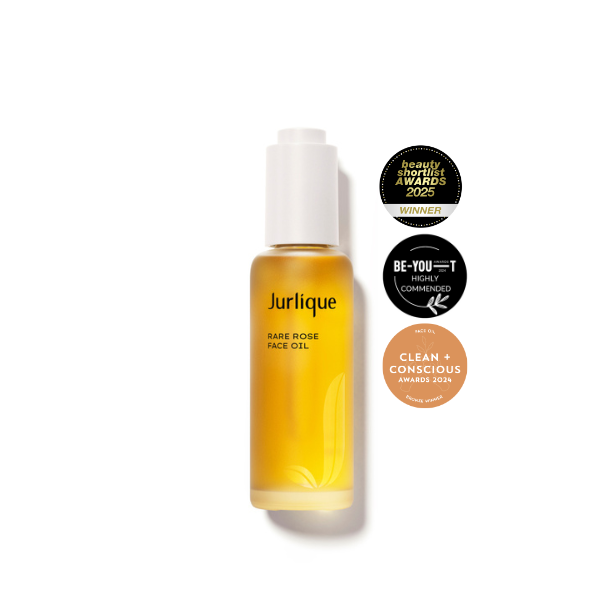
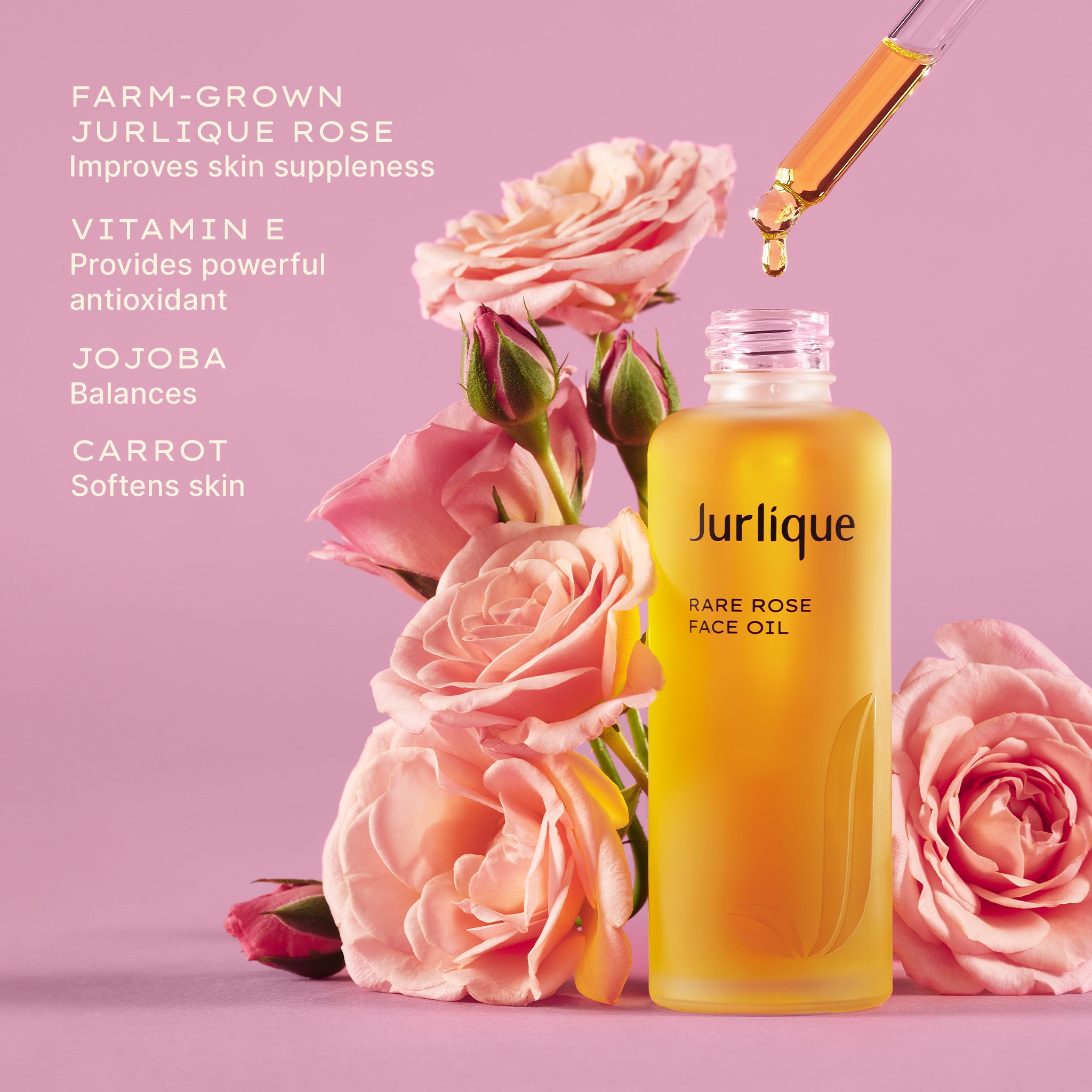
Rare Rose Face Oil
Helps with: Dry Skin & Hydration

HOW TO 8 + 2?


THE HEART OF OUR FORMULATION CHARTER
At Jurlique, our face oils embody the heart of our Formulation Charter—offering pure, naturally effective skincare. These signature oils are crafted using the highest percentage of natural-origin ingredients and powerful farm-grown botanicals, showcasing our dedication to purity and performance and our uncompromising approach to artisanal skincare formulation.


CUSTOMERS REVIEWS
Jamomoe C.
"Adding this oil to my skincare routine has been a game changer. It was exactly what my skin was craving for. My skin looks so much healthier and feels so good. I love it."

Aurora C.
"It is excellent! From the sweet yet strong aroma of a rose that leaves your skin with all the ingredients it needs. While it is not the only thing I need, I enjoy using this product. Definitely recommend it!"

Alex08e
"I found the Jurlique face oil to be a great addition to my skincare routine. It helped to reduce any redness and did not upset my sensitive skin. It also helped my skin feel more moisturised and I would notice a big difference if I accidentally skipped using it. Overall, it was a great product!"

Mercs
"Pleasant to put on my face and made my face more energised. My face feels smoother, healthier and bouncier"

WELLBEING JOURNAL

How to Use a Face Mask
Whether you've just bought your first face mask or want to make sure you're getting the most out of one you've used for years, the right technique makes all the difference. How long you leave it on, where it fits in your routine and how often you use it all shape the results you'll see. Here's everything you need to know about how to use a face mask: step by step, by format, and the common mistakes to avoid. What Do Face Masks Do? Face masks are a concentrated skincare treatment, delivering active ingredients to the skin in a single, focused session. Different masks do different things, but most fall into a few key categories: Hydrating masks help replenish moisture Clay masks help draw out impurities and absorb excess oil Exfoliating masks help remove dead skin cells and refresh dull skin Soothing masks help calm sensitivity Treatment masks help target concerns like firmness or fine lines While moisturisers and serums work daily, masks deliver a more concentrated boost. Used consistently, they can make a meaningful difference to how your skin looks and feels. How to Use a Face Mask: Step-by-Step The technique is mostly the same across most mask types: Start with cleansed skin so the ingredients can absorb properly Apply an even, thin layer with clean fingertips, avoiding the eye and lip area Leave on for the recommended time, usually 5 to 15 minutes Remove or massage in, depending on the format Follow with your usual skincare to lock in the benefits How Long Should You Leave a Face Mask On? Most face masks are designed to work within a specific window, usually 5 to 20 minutes. Leaving it on longer doesn't deliver better results and can dry out the skin. As a general guide: Cream masks: 10 minutes Clay masks: 10 minutes, or until dry to the touch Water-cream masks: 2 to 5 minutes Jelly or enzyme masks: around 10 minutes Sheet masks: 10 to 20 minutes Always follow the timing on the specific product you're using. How to Apply Different Types of Face Masks Application varies slightly depending on the format. For a deeper comparison, see our guide to cream masks vs sheet masks. Cream masks are applied like a rich moisturiser, then rinsed off or massaged in. Our Hydrating Mask and Nutri-Define Cream Mask follow this method. Clay masks dry as they work. Apply a thin layer and rinse with warm water once dry. Our Purifying Clay Mask is a fast-drying format. Water-cream masks are lightweight and cooling, absorbing quickly after only a few minutes on the skin. Our Soothing Water-Cream Mask is an example. Jelly or enzyme masks use natural acids or fruit enzymes to gently exfoliate, then rinsed off. Our Peeling Jelly Mask is an example. Sheet masks are pre-soaked fabric masks. Once removed, the remaining serum is massaged in. How Often Should You Use a Face Mask? It depends on your skin type and the mask. As a general guide: Hydrating and soothing masks can be used 3 times a week Clay masks are typically used 2 times a week Exfoliating masks are usually used 3 times a week Treatment masks vary depending on the formula Always follow the product's guidance. If your skin feels tight, sensitive or irritated, scale back. Consistency matters more than intensity. Where Does a Face Mask Fit in Your Skincare Routine? Face masks sit at the start of your routine, after cleansing and before your serum and moisturiser. The full order is: Cleanse Mask Mist or essence Serum or treatment Moisturiser Face oil (if using) Sunscreen (during the day) Some masks, like overnight masks, replace the moisturiser step entirely. Always follow the product's instructions. Common Mistakes to Avoid Even a well-formulated mask won't work if it's used incorrectly. Common mistakes include: Applying to unwashed skin — makeup and oils block the active ingredients from absorbing Leaving it on too long — past the recommended time, masks stop being effective and can dry out the skin Using too thick a layer — a thin, even layer works better than a heavy one Using it too often — even gentle masks aren't designed for daily use Skipping moisturiser afterwards — a mask isn't a substitute for your usual routine Layering too many new actives — give your skin time to adjust to new ingredients before stacking If you're unsure where to start, browse our full masks collection to find a format that suits your skin. Getting the Most From Your Mask Ritual A face mask works best as part of a consistent routine. Choose a format that suits your skin's needs and use it regularly. Explore our full face collection or get in touch for personalised guidance. FAQs How do you use a face mask step by step? Cleanse your skin, apply an even thin layer avoiding the eye area, leave on for the recommended time, then rinse off or massage in. Follow with your usual skincare. What are the benefits of face masks? Face masks deliver a concentrated dose of active ingredients in a single session. Depending on the formula, they can help hydrate, soothe, exfoliate, purify or treat the skin. Do you wash your face after using a face mask? It depends on the mask. Clay, jelly and most cream masks are rinsed off with lukewarm water. Water-cream or leave-on masks are massaged into the skin. Always follow the product's guidance. Can a face mask help with dry or dehydrated skin? Yes. Hydrating cream masks are particularly suited to dry or dehydrated skin, delivering a concentrated boost of moisture beyond what a daily moisturiser provides. Can a face mask give you glowing skin? Yes. Exfoliating and hydrating masks in particular can help refresh the skin and support a more radiant-looking complexion. Do I do a face mask before or after a skincare routine? A face mask sits at the start, after cleansing and before your serum and moisturiser. This lets the active ingredients absorb properly and lets the steps that follow seal in the benefits. How often should I use a face mask? Most face masks are designed to be used 1 to 3 times a week, depending on the formula and your skin's needs. Always follow the product's guidance.
Read more
How to Care for Dry Skin in Winter: Your Cold Weather Skincare Ritual
Reviewed by Katie Morris, Jurlique Retail & Spa Educator · 15+ years as a Jurlique Beauty Therapist As the temperature drops, your skin can start to feel the difference. Tightness after cleansing, rough patches and a dull complexion are all common signs of dry skin in winter. The good news? A few simple shifts in your routine can help replenish moisture and keep your skin feeling soft and radiant through the colder months. Here's why winter dries out your skin, and a simple ritual to help combat it. Why Is My Skin So Dry in Winter? Winter dry skin is usually the result of several factors at once. Cold outdoor air holds less moisture, while central heating strips humidity from indoor environments. Add hot showers, harsh winds and shorter days, and the skin's natural moisture balance is easily disrupted. The result is often a mix of dry skin (a lack of natural oils) and skin dehydration (a lack of water), which is why winter is the season your complexion is most likely to feel uncomfortable. Skin Dryness Symptoms to Watch for in Winter Common winter dry skin symptoms include: tight or uncomfortable skin, especially after cleansing rough or flaky patches a dull or shadowy looking complexion more visible fine lines redness or sensitivity skin that feels parched even after moisturising If you're noticing several of these signs, your skin is asking for richer, more hydrating care. For a deeper look at the differences between the two concerns, read our guide to dehydrated vs dry skin. Botanical Ingredients That Help Dry Winter Skin Certain ingredients are especially well suited to dry skin in colder months. Jurlique formulas feature farm grown botanicals cultivated on our biodynamic* farm in the Adelaide Hills, selected to nurture and hydrate the skin. Key ingredients to look for: Marshmallow Root, a natural plant humectant that helps attract and hold water in the skin Jurlique Rose, hand-picked from our Adelaide Hills farm, which helps balance, soften and support overall skin wellness Rich plant oils and butters like Avocado, Rosehip, Shea and Cupuaçu, which help nourish and protect skin from moisture loss Beeswax, a natural emollient that helps form a protective layer to lock moisture in How to Combat Dry Skin in Winter Caring for dry skin in winter is less about adding more products and more about choosing the right ones. A consistent ritual with hydrating, nourishing formulas can help support smoother skin all season. Step 1: Switch to a Gentle Cleanser Foaming or stripping cleansers can leave winter skin feeling tight. Choose a gentle, hydrating formula from our cleansers collection that removes impurities without disrupting the skin's natural balance, and use lukewarm water rather than hot. Step 2: Refresh with a Hydrating Mist Follow with our Rosewater Balancing Mist, infused with Marshmallow Root, Aloe Vera and hand-picked Jurlique Rose. It helps deliver an instant burst of hydration, leaves skin feeling softened and well-balanced, and is the perfect daytime pick-me-up when your skin feels tight from heating or cold weather. Katie's tip: "A hydrating mist is one of the easiest ways to support your skin with instant hydration throughout the day, especially when skin feels dry or tight. Infused with our farm grown Jurlique Rose extract, it's perfect for on-the-go hydration and a moment of self-care." Step 3: Prep with a Hydrating Essence Apply our Activating Water Essence+, powered by two Marshmallow Root extracts to help continuously hydrate, condition and revitalise the complexion. It's an especially valuable winter step, helping prepare the skin to better absorb the moisturiser that follows. Katie's tip: "It's essential to prepare the skin before beginning any skin ritual. Our Activating Water Essence helps to do just that, softening the skin and delivering continuous hydration and allowing the active ingredients that follow to absorb more effectively for optimal results." Step 4: Choose a Richer Winter Moisturiser This is where your routine needs the biggest seasonal shift. Lightweight summer creams often aren't enough for winter.Our Moisture Replenishing Day Cream is formulated with Avocado Oil, Safflower Oil, Shea Butter and Beeswax to help soften, hydrate and protect dry winter skin. Katie's note: “A Jurlique cult favourite for a reason, our Moisture Replenishing Day Cream is enriched with farm grown botanicals and a blend of plant oils to replenish and protect the skin like no other” For a lighter, glow-focused option, our Rare Rose Cream features Cupuaçu Butter, Rosehip Oil and a botanical hyaluronic acid alternative for a fresh, dewy look. It's clinically proven to provide 24-hour hydration, making it a beautiful daily winter cream. Katie's note: “This luxurious moisturising cream delivers lasting hydration throughout the day with our Rose Droplet Technology and exclusive Jurlique Rose extract” Don't Forget the Body Winter dryness isn't limited to your face. Apply a nourishing body moisturiser straight after showering, while skin is still damp, to help lock in hydration. Explore our full body collection for richer winter formulas. Daily Habits to Help Avoid Dry Skin in Winter Alongside your skincare, a few small habits make a real difference through the colder months: keep showers warm rather than hot, and limit them to under 10 minutes moisturise straight after cleansing or showering, while skin is still damp use a humidifier in heated rooms to add moisture back into the air drink water consistently, even when you don't feel thirsty protect exposed skin from wind with a hat, scarf or gloves avoid over-exfoliating, which can worsen dryness Caring for Winter Skin, Naturally A few mindful changes can transform how your skin feels through the cold months. With richer formulas, gentle daily habits and the right botanical ingredients, you can help support smoother, more comfortable skin all winter long. Explore our dry skin care products collection for hydrating winter formulas, browse our full face collection, or get in touch for personalised guidance. Need help finding the right products for your winter routine? Our Jurlique team is here to help you build a personalised ritual for your skin. Chat with us or visit your nearest Jurlique store for a one-on-one skincare consultation. FAQs How do I help dry skin in the winter? Layer hydrating formulas, use a richer moisturiser than you would in summer, and adjust everyday habits like shower temperature and indoor humidity. A gentle cleanser, hydrating mist, essence and rich cream make a solid winter routine. Why is my skin too dry in winter? Cold air outside and central heating inside both reduce moisture in the environment, while hot showers and harsh winds strip the skin's natural moisture balance. The result is a combination of dry skin and dehydration. How can I avoid dry skin in winter? Switch to a richer moisturiser, keep showers lukewarm, moisturise straight after cleansing, use a humidifier indoors, and protect exposed skin from the wind. Consistency matters more than complexity. Which vitamin is good for dry skin? Vitamin E is often included in skincare for its antioxidant properties, which help protect the skin from environmental aggressors. A balanced diet rich in healthy fats and vitamins also supports overall skin wellbeing. About the Expert Katie Morris — Jurlique Retail & Spa Educator With over 15 years of experience as a Jurlique Beauty Therapist, Katie is passionate about helping people achieve healthy-looking, radiant skin with personalised skincare rituals that harness the power of nature. Learn more about Katie → *Certified biodynamic by ACO Certification Ltd, Australia. Jurlique's products and farm are not certified by Demeter Association Inc.
Read more
Dehydrated vs Dry Skin: How to Tell the Difference and Restore Hydration
Reviewed by Katie Morris, Jurlique Retail & Spa Educator · 15+ years as a Jurlique Beauty Therapist If your skin feels tight, dull or a little lacklustre, you may be experiencing dehydrated skin, dry skin, or a combination of both. While these terms are often used interchangeably, they refer to two different concerns with different causes and different skincare needs. Understanding the difference between dehydrated vs dry skin is the first step toward supporting your complexion with the right care. What Is the Difference Between Dehydrated and Dry Skin? Dry skin is a skin type. Dehydrated skin is a skin condition. Dry skin produces less of the natural oil (sebum) that keeps the complexion soft and comfortable, which can leave it feeling tight or looking flaky. Because it's a type, dry skin tends to be consistent year-round. Dehydrated skin is temporary and can affect any skin type, including oily and combination skin. It occurs when the skin lacks water in its upper layers, often due to environmental or lifestyle factors. A simple at-home check: gently pinch the skin on your cheek. If it's slow to settle back, your skin is likely asking for more hydration. What Causes Dry Skin? Dry skin occurs when the skin produces less natural oil than it needs, or when its moisture is drawn away faster than it can be replenished. Common causes of dry skin include: genetics and natural skin type cold or dry climates hot showers or baths harsh cleansers or skincare ingredients over-exfoliating the skin the natural changes that come with age What Are the Symptoms of Dry Skin? Common skin dryness symptoms include: tight or uncomfortable skin, especially after cleansing rough or flaky texture dull looking complexion more visible fine lines occasional itching or sensitivity What Causes Skin Dehydration? While dry skin is about a lack of oil, skin dehydration is about a lack of water. It can happen to any skin type and is often linked to environmental or lifestyle factors, including: air conditioning and central heating long-haul travel sun exposure over-cleansing or using harsh skincare products low daily water intake stress, poor sleep or excess caffeine and alcohol What Are the Symptoms of Dehydrated Skin? Dehydrated skin often looks different from dry skin, even when it feels similar to the touch. Common dehydrated skin symptoms include: dull or shadowy looking complexion a feeling of tightness, even after moisturising more visible fine lines and dehydration lines darker under-eye circles skin that feels oily and dry at the same time How to Support Dry Skin: A Daily Hydrating Ritual A consistent skincare ritual can help replenish moisture and support smoother, more comfortable skin, whether you're caring for dry skin, dehydrated skin, or a little of both. Jurlique formulas feature farm grown botanicals cultivated on our biodynamic* farm in the Adelaide Hills, including Marshmallow Root, Jurlique Rose and nourishing plant oils. Step 1: Cleanse Gently Start with a gentle cleanser that removes impurities while helping to maintain skin comfort. Avoid formulas that leave the skin feeling stripped or tight, as these can contribute to both dryness and dehydration. Step 2: Refresh with a Hydrating Mist Follow with a few light spritzes of our Rosewater Balancing Mist. Infused with Marshmallow Root, Aloe Vera and hand-picked Jurlique Rose, it helps deliver an instant burst of hydration, leaves skin feeling softened and well-balanced, and can be used throughout the day whenever your skin feels dehydrated. Katie's tip: "A hydrating mist is one of the easiest ways to support your skin with instant hydration throughout the day, especially when skin feels dry or tight. Infused with our farm grown Jurlique Rose extract, it's perfect for on-the-go hydration and a moment of self-care." Step 3: Replenish with a Hydrating Essence Apply our Activating Water Essence+, powered by two Marshmallow Root extracts to help continuously hydrate, condition and revitalise the complexion. Pour a few drops into the palm of your hand and gently press over face, neck and décolletage. Katie's tip: "It's essential to prepare the skin before beginning any skin ritual. Our Activating Water Essence helps to do just that — softening the skin, delivering continuous hydration, and allowing the active ingredients that follow to absorb more effectively for optimal results." Step 4: Moisturise to Maintain Hydration Apply our Moisture Replenishing Day Cream, formulated with Avocado Oil, Safflower Oil, Shea Butter and Beeswax to help soften, hydrate and protect the skin. Explore more hydrating formulas within the moisturisers collection. Step 5: Seal with a Nourishing Face Oil For an extra layer of comfort, warm 3–5 drops of our Rare Rose Face Oil between your fingertips and gently massage into cheeks, forehead and chin. Enriched with Squalane, Jojoba and Soybean Oils, it helps leave skin feeling smoother, more supple and de-stressed. For dry skin on the body, explore our full body collection. Daily Habits to Help Maintain Hydrated Skin Alongside your skincare ritual, a few simple habits can help support smoother, more comfortable skin over time: drinking enough water throughout the day applying moisturiser straight after cleansing protecting skin from wind, sun and harsh weather limiting very hot showers and baths avoiding over-exfoliation and alcohol-based skincare using a humidifier in dry environments Nurturing Dry and Dehydrated Skin with Gentle Care By choosing gentle, botanical-rich formulas and mindful daily habits, you can help replenish moisture and support smoother, healthier-looking skin. Explore our dry skin care products collection for hydrating formulas, or get in touch with our team for personalised guidance. FAQs How do I know if my skin is dry or dehydrated? If your skin feels consistently tight, rough or flaky, you likely have a dry skin type. If it looks dull or flat and feels tight even after moisturising, it's more likely dehydrated. Gently pinch your cheek, if the skin is slow to settle back, it needs more hydration. How do I rehydrate my dry skin? Layer hydrating formulas into a consistent routine. Start with a hydrating mist, follow with a hydrating essence, then seal with a nourishing moisturiser. Drinking plenty of water throughout the day also helps. What products can help dehydrated skin? Look for products with natural humectants and botanical extracts that help attract moisture to the skin. Hydrating mists, essences and lightweight moisturisers are particularly effective. What is lacking in dehydrated skin? Dehydrated skin is lacking water, not oil. This is what makes it different from dry skin, which produces less natural oil (sebum). How long does it take to rehydrate dry skin? Everyone's skin is different, but with a consistent hydrating ritual, many people notice a difference quite quickly. Surface hydration can improve almost immediately, while longer-term comfort builds with daily care. About the Expert Katie Morris — Jurlique Retail & Spa Educator With over 15 years of experience as a Jurlique Beauty Therapist, Katie is passionate about helping people achieve healthy-looking, radiant skin with personalised skincare rituals that harness the power of nature. Learn more about Katie → *Certified biodynamic by ACO Certification Ltd, Australia. Jurlique's products and farm are not certified by Demeter Association Inc.
Read more