

Whether you've just bought your first face mask or want to make sure you're getting the most out of one you've used for years, the right technique makes all the difference. How long you leave it on, where it fits in your routine and how often you use it all shape the results you'll see.
Here's everything you need to know about how to use a face mask: step by step, by format, and the common mistakes to avoid.
What Do Face Masks Do?
Face masks are a concentrated skincare treatment, delivering active ingredients to the skin in a single, focused session. Different masks do different things, but most fall into a few key categories:
- Hydrating masks help replenish moisture
- Clay masks help draw out impurities and absorb excess oil
- Exfoliating masks help remove dead skin cells and refresh dull skin
- Soothing masks help calm sensitivity
- Treatment masks help target concerns like firmness or fine lines
While moisturisers and serums work daily, masks deliver a more concentrated boost. Used consistently, they can make a meaningful difference to how your skin looks and feels.
How to Use a Face Mask: Step-by-Step
The technique is mostly the same across most mask types:
- Start with cleansed skin so the ingredients can absorb properly
- Apply an even, thin layer with clean fingertips, avoiding the eye and lip area
- Leave on for the recommended time, usually 5 to 15 minutes
- Remove or massage in, depending on the format
- Follow with your usual skincare to lock in the benefits
How Long Should You Leave a Face Mask On?
Most face masks are designed to work within a specific window, usually 5 to 20 minutes. Leaving it on longer doesn't deliver better results and can dry out the skin.
As a general guide:
- Cream masks: 10 minutes
- Clay masks: 10 minutes, or until dry to the touch
- Water-cream masks: 2 to 5 minutes
- Jelly or enzyme masks: around 10 minutes
- Sheet masks: 10 to 20 minutes
Always follow the timing on the specific product you're using.
How to Apply Different Types of Face Masks
Application varies slightly depending on the format. For a deeper comparison, see our guide to cream masks vs sheet masks.
Cream masks are applied like a rich moisturiser, then rinsed off or massaged in. Our Hydrating Mask and Nutri-Define Cream Mask follow this method.
Clay masks dry as they work. Apply a thin layer and rinse with warm water once dry. Our Purifying Clay Mask is a fast-drying format.
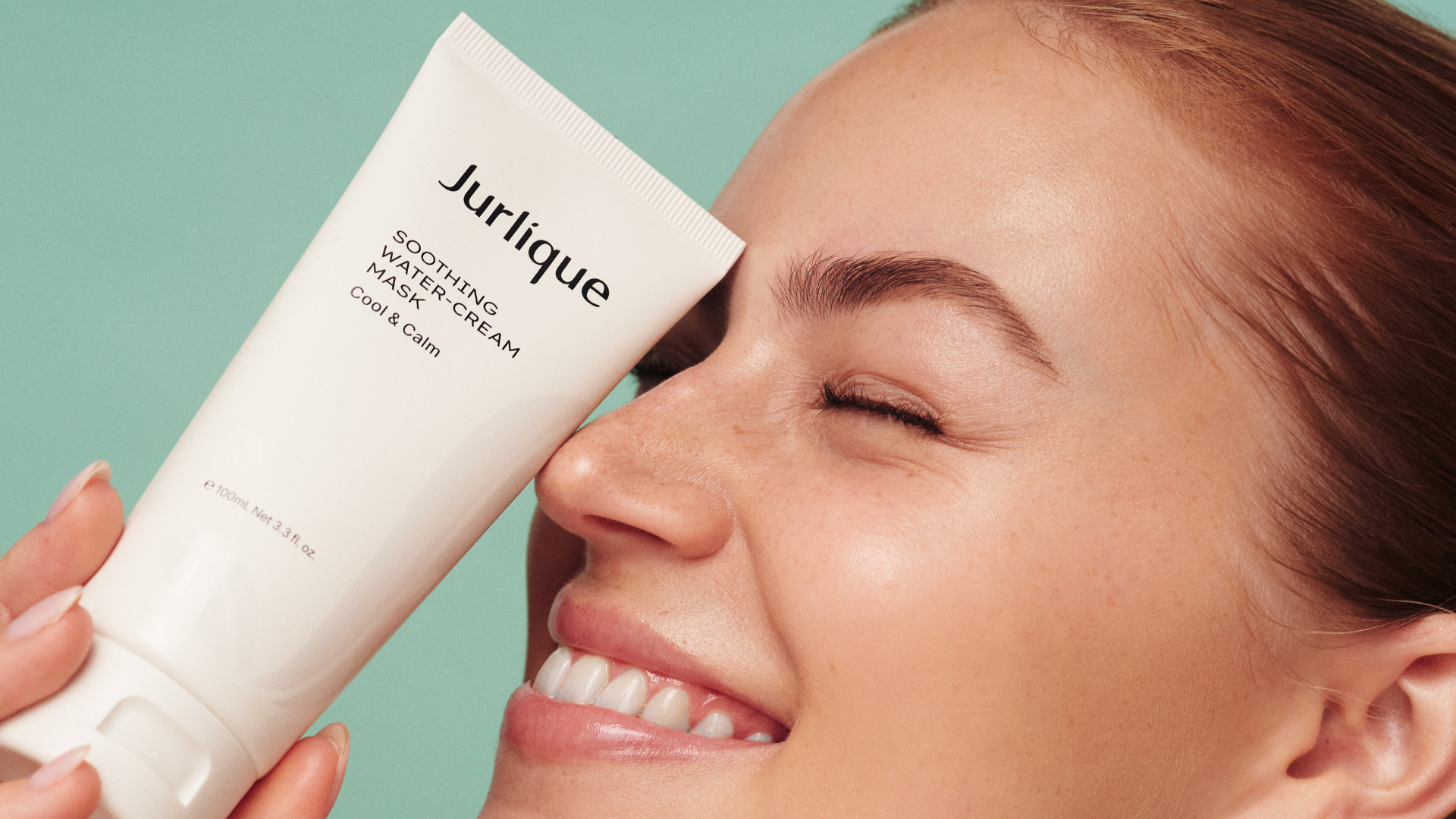
Water-cream masks are lightweight and cooling, absorbing quickly after only a few minutes on the skin. Our Soothing Water-Cream Mask is an example.
Jelly or enzyme masks use natural acids or fruit enzymes to gently exfoliate, then rinsed off. Our Peeling Jelly Mask is an example.
Sheet masks are pre-soaked fabric masks. Once removed, the remaining serum is massaged in.
How Often Should You Use a Face Mask?
It depends on your skin type and the mask. As a general guide:
- Hydrating and soothing masks can be used 3 times a week
- Clay masks are typically used 2 times a week
- Exfoliating masks are usually used 3 times a week
- Treatment masks vary depending on the formula
Always follow the product's guidance. If your skin feels tight, sensitive or irritated, scale back. Consistency matters more than intensity.
Where Does a Face Mask Fit in Your Skincare Routine?
Face masks sit at the start of your routine, after cleansing and before your serum and moisturiser. The full order is:
- Cleanse
- Mask
- Mist or essence
- Serum or treatment
- Moisturiser
- Face oil (if using)
- Sunscreen (during the day)
Some masks, like overnight masks, replace the moisturiser step entirely. Always follow the product's instructions.
Common Mistakes to Avoid
Even a well-formulated mask won't work if it's used incorrectly. Common mistakes include:
- Applying to unwashed skin — makeup and oils block the active ingredients from absorbing
- Leaving it on too long — past the recommended time, masks stop being effective and can dry out the skin
- Using too thick a layer — a thin, even layer works better than a heavy one
- Using it too often — even gentle masks aren't designed for daily use
- Skipping moisturiser afterwards — a mask isn't a substitute for your usual routine
- Layering too many new actives — give your skin time to adjust to new ingredients before stacking
If you're unsure where to start, browse our full masks collection to find a format that suits your skin.
Getting the Most From Your Mask Ritual
A face mask works best as part of a consistent routine. Choose a format that suits your skin's needs and use it regularly. Explore our full face collection or get in touch for personalised guidance.
FAQs
How do you use a face mask step by step?
Cleanse your skin, apply an even thin layer avoiding the eye area, leave on for the recommended time, then rinse off or massage in. Follow with your usual skincare.
What are the benefits of face masks?
Face masks deliver a concentrated dose of active ingredients in a single session. Depending on the formula, they can help hydrate, soothe, exfoliate, purify or treat the skin.
Do you wash your face after using a face mask?
It depends on the mask. Clay, jelly and most cream masks are rinsed off with lukewarm water. Water-cream or leave-on masks are massaged into the skin. Always follow the product's guidance.
Can a face mask help with dry or dehydrated skin?
Yes. Hydrating cream masks are particularly suited to dry or dehydrated skin, delivering a concentrated boost of moisture beyond what a daily moisturiser provides.
Can a face mask give you glowing skin?
Yes. Exfoliating and hydrating masks in particular can help refresh the skin and support a more radiant-looking complexion.
Do I do a face mask before or after a skincare routine?
A face mask sits at the start, after cleansing and before your serum and moisturiser. This lets the active ingredients absorb properly and lets the steps that follow seal in the benefits.
How often should I use a face mask?
Most face masks are designed to be used 1 to 3 times a week, depending on the formula and your skin's needs. Always follow the product's guidance.


