ONE BOTTLE SOLD EVERY 7 MINUTES*
Over the last four decades, our mastery of botanicals and oil expertise has enabled us to create high-performing face oils that nourish the skin and soothe the mind. Whether you seek to smooth and firm, soothe and reinforce, revitalise and recover or hydrate and glow, each face oil is meticulously formulated, harnessing the power of farm-grown actives to deliver visible results with every drop.
*Worldwide Sales of Purely Age-Defying Firming Face Oil 50mL; Rare
Rose Face Oil 20mL & 50mL; Skin Balancing Face Oil 50mL 2023
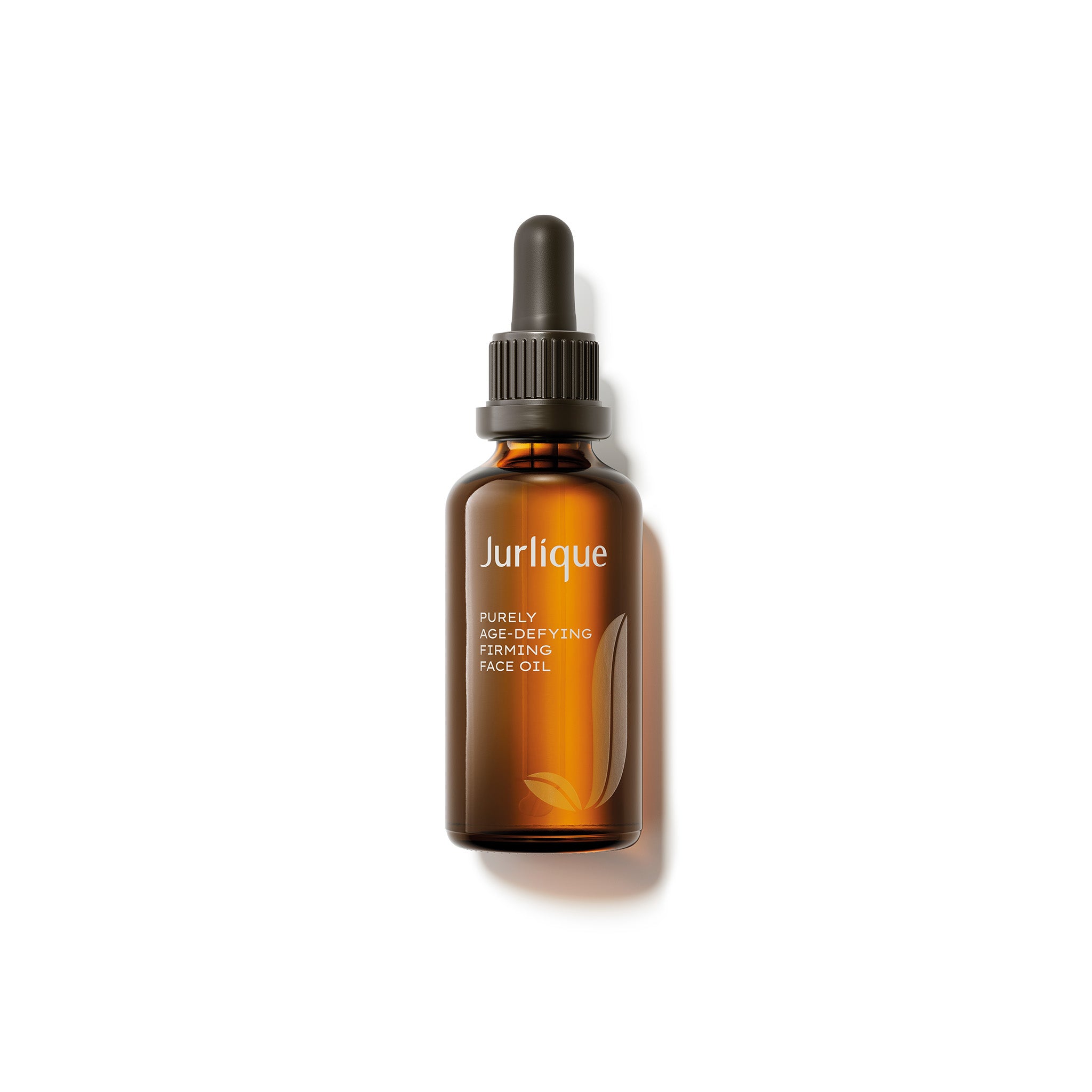
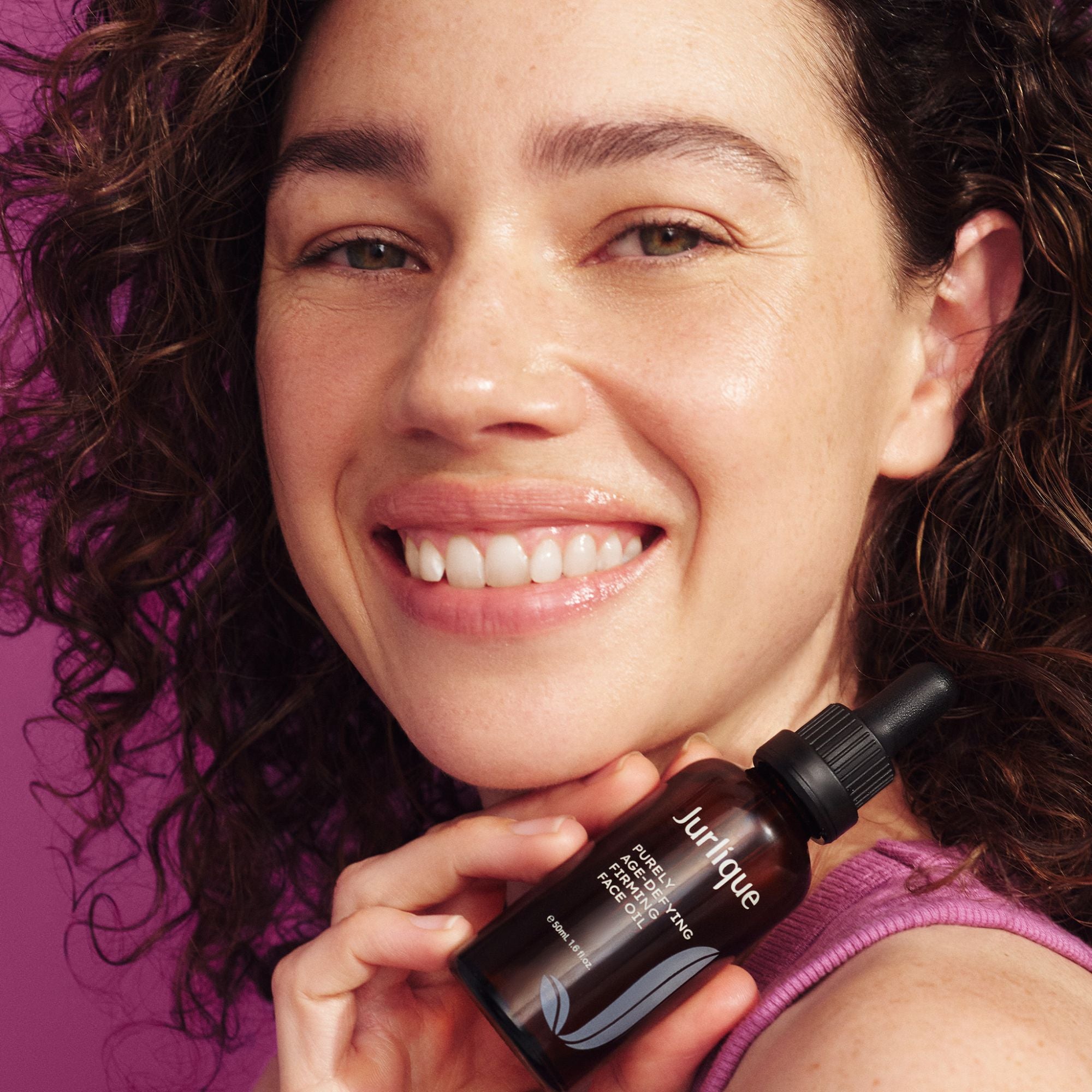
Purely Age-Defying Firming Face Oil
Helps with: Advanced Signs of Ageing


Herbal Recovery Face Oil
Helps with: First Signs of Ageing


Calendula Face Oil
Helps with: Sensitivity & Redness
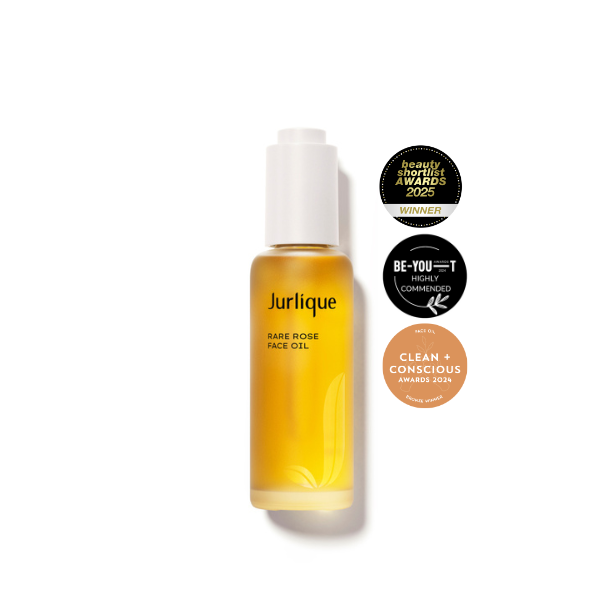
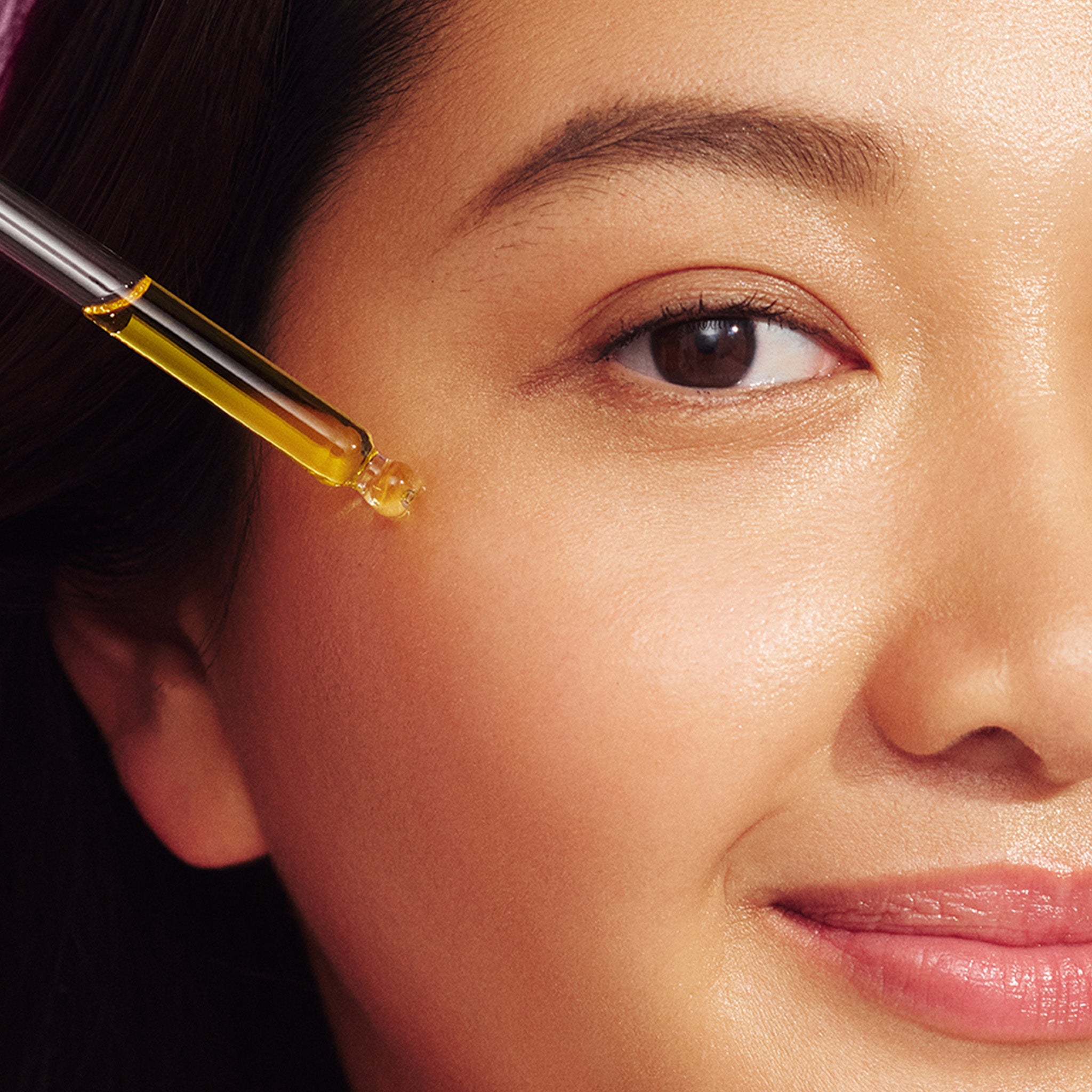
Rare Rose Face Oil
Helps with: Dry Skin & Hydration

HOW TO 8 + 2?


THE HEART OF OUR FORMULATION CHARTER
At Jurlique, our face oils embody the heart of our Formulation Charter—offering pure, naturally effective skincare. These signature oils are crafted using the highest percentage of natural-origin ingredients and powerful farm-grown botanicals, showcasing our dedication to purity and performance and our uncompromising approach to artisanal skincare formulation.


CUSTOMERS REVIEWS
Jamomoe C.
"Adding this oil to my skincare routine has been a game changer. It was exactly what my skin was craving for. My skin looks so much healthier and feels so good. I love it."

Aurora C.
"It is excellent! From the sweet yet strong aroma of a rose that leaves your skin with all the ingredients it needs. While it is not the only thing I need, I enjoy using this product. Definitely recommend it!"

Alex08e
"I found the Jurlique face oil to be a great addition to my skincare routine. It helped to reduce any redness and did not upset my sensitive skin. It also helped my skin feel more moisturised and I would notice a big difference if I accidentally skipped using it. Overall, it was a great product!"

Mercs
"Pleasant to put on my face and made my face more energised. My face feels smoother, healthier and bouncier"

WELLBEING JOURNAL

Damaged Skin Barrier: How to Calm and Strengthen Your Skin Barrier
If your skin feels dry, sensitive or suddenly reactive, your skin barrier may be compromised. A damaged skin barrier can be supported by simplifying your skincare routine, using gentle cleansers, replenishing hydration and applying nourishing moisturisers. Calming botanical ingredients can help soothe visible redness while supporting the skin barrier. When the barrier is functioning well, skin feels smooth, hydrated and comfortable. But when this delicate layer becomes disrupted, skin may appear rough, reactive or dull. Understanding how to strengthen a damaged skin barrier begins with learning how the skin barrier works and how to care for it with a gentle skincare ritual. What Is the Skin Moisture Barrier? The skin moisture barrier is a critical component of the epidermis, the outermost layer of the skin. It consists of tightly packed skin cells held together by lipids, such as fatty acids. These lipids help retain moisture and protect the deeper layers of the skin from environmental stressors. When the skin moisture barrier is functioning well, it helps keep the skin soft, supple, and hydrated. It also works in conjunction with the skin microbiome, a delicate ecosystem that helps maintain balance on the skin’s surface. However, when the barrier is weakened, the skin can struggle to retain hydration, becoming more prone to dryness, irritation, and increased sensitivity to external factors. Why Does the Skin Barrier Become Compromised? A compromised skin barrier can occur when the skin is exposed to environmental stressors or skincare habits that disrupt its natural balance. Common causes include: excessive sun exposure pollution and environmental particles extreme climates such as dry or cold weather over exfoliation harsh cleansers or strong skincare ingredients stress and lifestyle factors When several of these triggers occur at once, the sensitive skin barrier may struggle to maintain hydration and balance. What Are the Symptoms of a Damaged Skin Barrier? A damaged skin barrier often shows visible signs that the skin is struggling to maintain hydration and comfort. Common damaged skin barrier symptoms include: redness or irritation dry or tight skin rough or flaky patches dull looking skin itching or stinging sensations increased sensitivity to skincare products These signs indicate that the skin moisture barrier may need gentle care and hydration to help maintain balance. Which Ingredients Help Restore the Skin Barrier? Certain ingredients can help support skin barrier restoration by replenishing hydration and calming visible irritation. Hydrating and soothing ingredients may include: Hyaluronic acid - attracts moisture to the skin and supports hydration Glycerin - helps draw moisture into the skin for softness and comfort Botanical extracts - calming plant ingredients help soothe visible redness Jurlique’s Calendula range features farm grown Calendula and Manuka Leaf, cultivated on our biodynamic* farm in the Adelaide Hills. These botanicals are selected for their calming properties and have been shown to: soothe skin reduce redness replenish hydration help support the skin moisture barrier over time How to Support a Damaged Skin Barrier Supporting a compromised skin barrier begins with a simple skincare ritual focused on hydration and gentle care. 1. Cleanse gently Cleansing removes impurities while preparing the skin for hydration. Choose gentle formulas designed to leave skin feeling soft and comfortable. Explore the cleansers collection. 2. Replenish hydration Hydration is essential for restoring balance to the skin barrier. Lightweight toners and serums help replenish moisture while preparing the skin for moisturiser. Jurlique’s Calendula Toner and Calendula Serum are designed to soothe skin while restoring hydration and supporting the skin barrier. Discover calming skincare within the sensitive skin collection. 3. Strengthen with moisturiser Moisturisers help maintain hydration and comfort throughout the day. A nourishing cream such as the Calendula Cream helps replenish moisture while supporting skin that feels sensitive or reactive. Explore hydrating formulas within the moisturisers collection. 4. Simplify your skincare routine When supporting a damaged skin barrier, simplicity is key. Focus on a consistent routine that includes: gentle cleansing hydrating toners or serums nourishing moisturisers Reducing the number of active ingredients allows the skin barrier time to rebalance. How Long Does Skin Barrier Strengthening Take? The time needed to enhance the skin barrier depends on the level of disruption. With a gentle skincare routine and consistent hydration, many people begin to notice improvements within several weeks. Supporting the skin with calming formulas and avoiding harsh ingredients allows the skin moisture barrier to gradually regain balance. How Can You Maintain a Healthy Skin Barrier? Once the barrier feels balanced again, maintaining gentle skincare habits can help support long term skin comfort. Helpful practices include: avoiding over exfoliation choosing gentle skincare formulas staying hydrated throughout the day protecting skin from environmental stressors Nurturing Your Skin Barrier With Gentle Care Caring for your skin barrier begins with a simple, balanced skincare ritual. By choosing gentle cleansers, replenishing hydration and incorporating calming botanicals, you can help support your skin barrier and soothe sensitive skin. With consistent care and mindful skincare habits, your complexion can feel smoother, more balanced and visibly radiant. FAQ How to strengthen the skin barrier fast? Focus on a simple skincare routine that prioritises hydration and gentle care. Cleansing with mild formulas, replenishing moisture and applying nourishing creams can help support the moisture in your skin barrier. What are signs of an unhealthy skin barrier? Common signs include redness, dryness, irritation, rough texture and increased sensitivity. These are typical damaged skin barrier symptoms. What vitamins support the skin barrier? Ingredients such as Vitamin E and botanical antioxidants are often included in skincare to support hydration and skin comfort. Does restoring the skin barrier help with uneven skin tone? Supporting skin barrier repair helps maintain a balanced complexion. When the barrier is functioning well, skin can appear smoother and more radiant. What should you drink for healthy skin? Staying hydrated throughout the day supports overall skin wellbeing alongside a consistent skincare ritual. What foods support skin balance? Foods rich in antioxidants and healthy fats, such as leafy greens, berries and omega rich ingredients, may contribute to overall skin wellbeing. *Certified biodynamic by ACO Certification Ltd, Australia. Jurlique’s products and farm are not certified by Demeter Association Inc.
Read more
Glycerin for Skin: Benefits, Uses & Why This Hydrating Ingredient Matters
Glycerin is one of the most widely used ingredients in skincare formulas, valued for its ability to help support hydration and improve skin comfort. Found in cleansers, serums and moisturisers, this ingredient plays an important role in maintaining balanced, healthy-looking skin. If you’ve ever wondered “is glycerin good for skin?”, the answer is simple. Glycerin is commonly included in skincare because it helps attract moisture and support hydration levels in the skin. In this guide, we explore the benefits of glycerin for skin, how it works in skincare formulas and how to incorporate products containing glycerin into your daily skincare routine. What Is Glycerin in Skincare? Glycerin, also known as glycerol, is a humectant ingredient commonly used in skincare. Humectants work by attracting moisture and helping the skin maintain hydration. In many skincare formulas, glycerin is combined with other hydrating ingredients to help support moisture balance and improve the feeling of skin softness. Because of its gentle nature, glycerin is frequently used in products designed for a wide range of skin types. You’ll often find glycerin in cleansers, serums, essences and moisturisers that help support hydration and maintain skin comfort. Hydrating formulas such as Activating Water Essence+ and Replenishing Cleansing Lotion include ingredients that help maintain moisture and support smoother-looking skin. Is Glycerin Good for Skin? Glycerin is widely used in skincare because it helps support hydration and maintain moisture balance in the skin. As a humectant, glycerin attracts moisture and helps the outer layer of the skin feel softer and more comfortable. This is one reason it appears in many moisturising formulas and hydrating skincare products. When used in well-balanced formulations, glycerin can help support skin that feels hydrated and smooth throughout the day. Products such as Herbal Recovery Bi-Phase Serum include hydrating ingredients designed to nurture skin while helping maintain moisture. What Are the Benefits of Glycerin for Skin? There are several reasons glycerin is commonly used in skincare formulas. Some of the key glycerin for skin benefits include: helping attract moisture to the skin supporting hydration levels improving the feeling of skin softness helping maintain smoother-looking skin supporting overall skin comfort Because glycerin works alongside other hydrating ingredients, it is often included in skincare designed to replenish moisture and maintain balanced skin. For example, nourishing treatments such as Nutri-Define Cream Mask help support skin comfort while hydrating ingredients help maintain moisture balance. How Does Glycerin Work in Skincare? Glycerin works as a humectant, meaning it helps attract moisture and support hydration in the skin. In skincare formulations, glycerin draws moisture toward the outer layer of the skin, helping the complexion feel more hydrated and comfortable. It is often combined with nourishing oils, botanical extracts and moisturising ingredients to help maintain hydration levels. Jurlique formulas combine farm grown botanicals with hydrating ingredients like glycerin to help nurture healthy-looking skin. How to Use Glycerin in a Skincare Routine Adding glycerin-based products to your skincare routine can help support hydration and maintain smoother, more comfortable skin. A simple routine may include cleansing, applying hydrating treatments and maintaining moisture with creams or oils. Step 1: Cleanse with a Gentle Formula Start your routine with a gentle cleanser that removes impurities while helping maintain skin comfort. Step 2: Apply a Hydrating Essence Hydrating essences help refresh the skin and prepare it for the next steps in your routine. Step 3: Use a Targeted Serum Serums deliver concentrated ingredients that help support hydration and skin comfort. Step 4: Moisturise to Maintain Hydration Moisturisers help maintain hydration and soften the skin’s surface. Step 5: Nourish Dry Areas Dry areas such as hands may also benefit from hydrating ingredients. Products like Rose Hand Cream help replenish moisture and leave skin feeling soft and comfortable throughout the day. Nurturing Skin Hydration with Glycerin Glycerin is a widely used skincare ingredient known for its ability to help support hydration and maintain moisture balance in the skin. As a humectant, it attracts moisture and helps the skin feel softer and more comfortable. Incorporating skincare products that contain glycerin into a daily routine can help maintain hydration and support smoother-looking skin. When combined with a gentle skincare ritual, this ingredient plays an important role in helping skin feel balanced, refreshed and well hydrated. FAQ Is glycerin good for skin? Yes, glycerin is widely used in skincare because it helps support hydration and maintain moisture balance. As a humectant, it attracts moisture and helps the skin feel smoother and more comfortable. How to use glycerin for dry skin? Glycerin is commonly used in moisturisers, serums and cleansers designed to help support hydration. Using products containing glycerin as part of a daily skincare routine can help maintain moisture and improve skin comfort. How to use glycerin for skin? Glycerin can be incorporated into a skincare routine through cleansers, essences, serums and moisturisers that help support hydration and maintain smoother-looking skin. Is glycerin good for your face? Yes, glycerin is commonly used in facial skincare because it helps attract moisture and support hydration levels in the skin. Can I use glycerin on my skin every day? Glycerin is frequently included in daily skincare products such as cleansers, serums and moisturisers, making it suitable for regular use. What not to mix with glycerin? Glycerin is typically included in balanced skincare formulations. When using skincare products, it is best to follow product instructions and choose formulas designed to work together.
Read more
Calendula in Skincare: Benefits for Sensitive, Dry and Reactive Skin
Calendula has long been valued in botanical skincare for its gentle nature and ability to help support skin comfort. Derived from the vibrant calendula flower, this ingredient is widely used in skincare formulas designed for sensitive, dry or reactive skin. Today, calendula skincare products are commonly associated with calming and hydrating formulas that help nurture balanced, healthy-looking skin. When included in serums, moisturisers and facial treatments, calendula can help support hydration while improving the feeling of skin comfort. In this guide, we explore the benefits of calendula for skin, why it is often used in skincare for delicate complexions and how it can be incorporated into a daily skincare routine. What Is Calendula in Skincare? Calendula is a botanical extract derived from the petals of the calendula flower, often referred to as marigold. This vibrant plant has been used in traditional skincare preparations for generations and remains a popular ingredient in modern botanical formulations. In skincare products, calendula extract is valued for its soothing properties and its ability to help support skin comfort. It is commonly included in formulas designed for skin that feels dry, delicate or reactive. Jurlique cultivates calendula on its biodynamic* farm in the Adelaide Hills, where botanicals are carefully grown and harvested to help preserve their natural qualities. These farm-grown ingredients are used in formulations designed to nurture and support healthy-looking skin. What Are the Benefits of Calendula for Skin? There are several reasons calendula is widely used in skincare formulas. Some of the most notable calendula benefits for skin include: helping soothe the feeling of skin sensitivity supporting skin comfort helping replenish hydration improving the appearance of dry or dull skin helping maintain balanced skin Because of its gentle nature, calendula is often used in skincare formulas created for delicate or reactive complexions. These qualities make calendula a popular botanical ingredient in products designed to nurture dry or sensitive skin. Why Calendula Is Popular in Skincare for Sensitive Skin Sensitive skin can often feel uncomfortable when exposed to environmental stressors or harsh skincare ingredients. This is why many skincare routines for delicate skin focus on gentle formulations with soothing botanical ingredients. Calendula is frequently included in these types of products because it helps support skin comfort while maintaining hydration. Skincare designed for sensitive skin often combines calming botanicals with hydrating ingredients to help maintain balance and support smoother-looking skin. How to Use Calendula in a Skincare Routine Incorporating calendula-based skincare into your routine can help support hydration and maintain skin comfort. A simple routine for sensitive or dry skin may include cleansing, applying hydrating treatments and maintaining moisture with creams or oils. Step 1: Cleanse Gently Begin with a gentle cleanser that removes impurities while maintaining skin comfort. Cleansing prepares the skin for the hydrating steps that follow and helps ensure that other skincare products can be absorbed effectively. Step 2: Apply a Hydrating Treatment Lightweight treatments can help support hydration while improving the feeling of skin comfort. For example, formulas such as Calendula Serum are designed to help soothe the feeling of sensitivity while supporting balanced, healthy-looking skin. Step 3: Refresh with a Calming Mist Facial mists can help refresh the skin and deliver lightweight hydration throughout the day. A calming formula such as Calendula Toner can help soothe skin while leaving it feeling comfortable and refreshed. Step 4: Moisturise to Maintain Hydration Moisturisers help maintain hydration and soften the skin’s surface. Formulas such as Calendula Cream help replenish moisture while supporting skin that feels dry or delicate. Step 5: Finish with Nourishing Oils Face oils can help support hydration and leave the skin feeling soft and comfortable. Lightweight botanical oils, such as Calendula Face Oil, can be used as the final step in a skincare routine to help nourish the skin and maintain moisture. Nurturing Sensitive Skin with Calendula Calendula remains one of the most valued botanical ingredients in skincare thanks to its gentle nature and ability to support skin comfort. When included in hydrating formulas, calendula can help nurture dry or sensitive skin while supporting a balanced, healthy-looking complexion. Incorporating calendula-based skincare into a gentle daily routine can help maintain hydration and support smoother, more comfortable skin. FAQs What does calendula do to your face? Calendula is commonly used in skincare to help support skin comfort and maintain hydration. It is often included in products designed for sensitive or dry skin. What not to mix with calendula? Calendula is typically included in balanced skincare formulations. When introducing new skincare products, it is best to follow product instructions and choose formulas designed to work together. Is calendula good for scars? Calendula is often used in skincare designed to support skin comfort and hydration. While it may help improve the appearance of skin texture, results can vary depending on individual skin concerns. Which is better for skin, chamomile or calendula? Both chamomile and calendula are botanical ingredients commonly used in skincare for their soothing properties. The best option depends on the formulation and the needs of your skin. When not to use calendula? Calendula is generally considered gentle for many skin types. However, individuals with sensitivities to botanical ingredients may wish to perform a patch test before introducing new skincare products. *Certified biodynamic by ACO Certification Ltd, Australia. Jurlique’s products and farm are not certified by Demeter Association Inc.
Read more