

Reviewed by Katie Morris, Jurlique Retail & Spa Educator · 15+ years as a Jurlique Beauty Therapist
If your skin feels tight, dull or a little lacklustre, you may be experiencing dehydrated skin, dry skin, or a combination of both. While these terms are often used interchangeably, they refer to two different concerns with different causes and different skincare needs.
Understanding the difference between dehydrated vs dry skin is the first step toward supporting your complexion with the right care.

What Is the Difference Between Dehydrated and Dry Skin?
Dry skin is a skin type. Dehydrated skin is a skin condition.
Dry skin produces less of the natural oil (sebum) that keeps the complexion soft and comfortable, which can leave it feeling tight or looking flaky. Because it's a type, dry skin tends to be consistent year-round.
Dehydrated skin is temporary and can affect any skin type, including oily and combination skin. It occurs when the skin lacks water in its upper layers, often due to environmental or lifestyle factors.
A simple at-home check: gently pinch the skin on your cheek. If it's slow to settle back, your skin is likely asking for more hydration.
What Causes Dry Skin?
Dry skin occurs when the skin produces less natural oil than it needs, or when its moisture is drawn away faster than it can be replenished.
Common causes of dry skin include:
- genetics and natural skin type
- cold or dry climates
- hot showers or baths
- harsh cleansers or skincare ingredients
- over-exfoliating the skin
- the natural changes that come with age
What Are the Symptoms of Dry Skin?
Common skin dryness symptoms include:
- tight or uncomfortable skin, especially after cleansing
- rough or flaky texture
- dull looking complexion
- more visible fine lines
- occasional itching or sensitivity
What Causes Skin Dehydration?
While dry skin is about a lack of oil, skin dehydration is about a lack of water. It can happen to any skin type and is often linked to environmental or lifestyle factors, including:
- air conditioning and central heating
- long-haul travel
- sun exposure
- over-cleansing or using harsh skincare products
- low daily water intake
- stress, poor sleep or excess caffeine and alcohol
What Are the Symptoms of Dehydrated Skin?
Dehydrated skin often looks different from dry skin, even when it feels similar to the touch. Common dehydrated skin symptoms include:
- dull or shadowy looking complexion
- a feeling of tightness, even after moisturising
- more visible fine lines and dehydration lines
- darker under-eye circles
- skin that feels oily and dry at the same time
How to Support Dry Skin: A Daily Hydrating Ritual
A consistent skincare ritual can help replenish moisture and support smoother, more comfortable skin, whether you're caring for dry skin, dehydrated skin, or a little of both. Jurlique formulas feature farm grown botanicals cultivated on our biodynamic* farm in the Adelaide Hills, including Marshmallow Root, Jurlique Rose and nourishing plant oils.
Step 1: Cleanse Gently
Start with a gentle cleanser that removes impurities while helping to maintain skin comfort. Avoid formulas that leave the skin feeling stripped or tight, as these can contribute to both dryness and dehydration.
Step 2: Refresh with a Hydrating Mist
Follow with a few light spritzes of our Rosewater Balancing Mist. Infused with Marshmallow Root, Aloe Vera and hand-picked Jurlique Rose, it helps deliver an instant burst of hydration, leaves skin feeling softened and well-balanced, and can be used throughout the day whenever your skin feels dehydrated.
Katie's tip: "A hydrating mist is one of the easiest ways to support your skin with instant hydration throughout the day, especially when skin feels dry or tight. Infused with our farm grown Jurlique Rose extract, it's perfect for on-the-go hydration and a moment of self-care."
Step 3: Replenish with a Hydrating Essence
Apply our Activating Water Essence+, powered by two Marshmallow Root extracts to help continuously hydrate, condition and revitalise the complexion. Pour a few drops into the palm of your hand and gently press over face, neck and décolletage.
Katie's tip: "It's essential to prepare the skin before beginning any skin ritual. Our Activating Water Essence helps to do just that — softening the skin, delivering continuous hydration, and allowing the active ingredients that follow to absorb more effectively for optimal results."
Step 4: Moisturise to Maintain Hydration
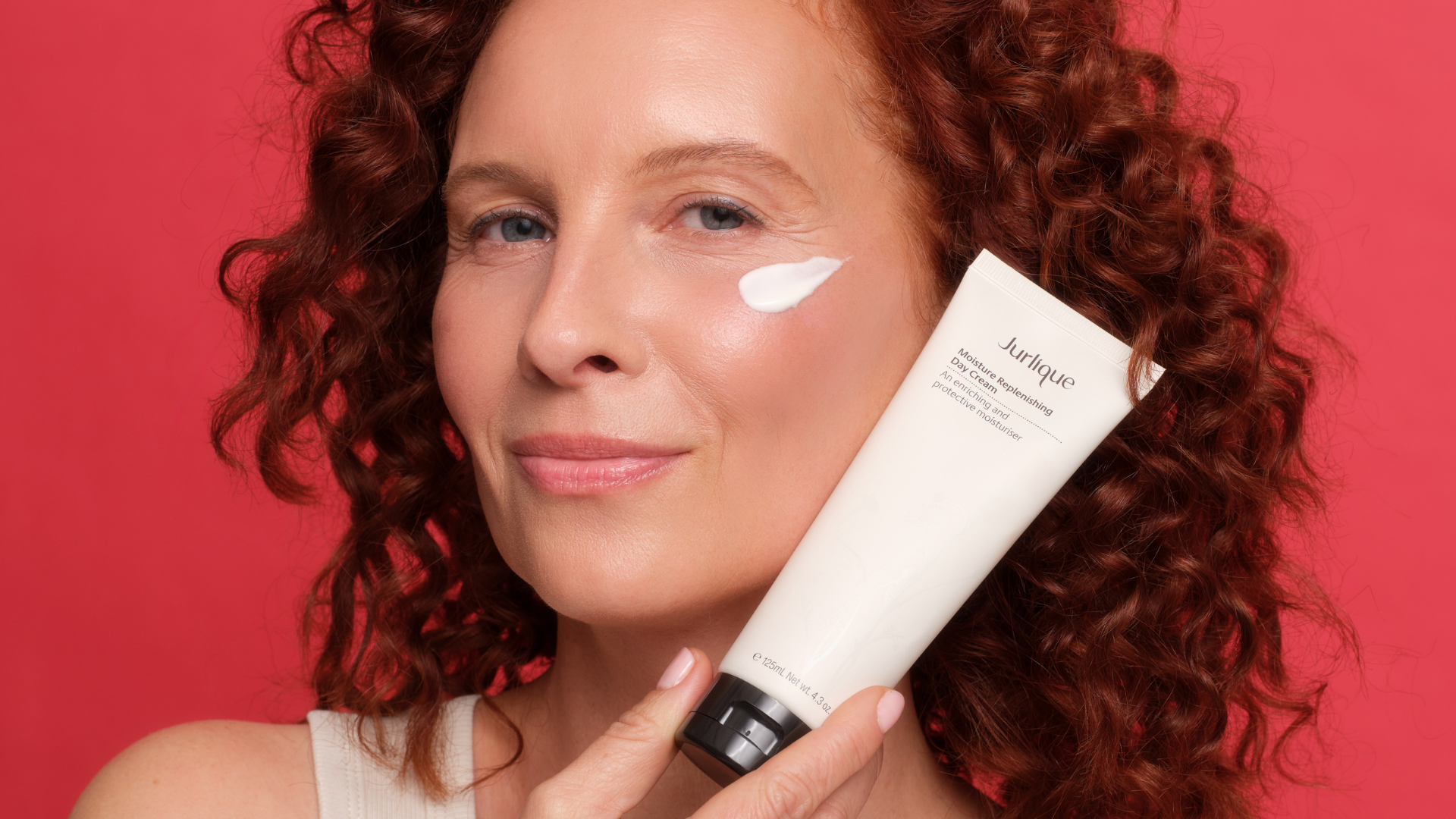
Apply our Moisture Replenishing Day Cream, formulated with Avocado Oil, Safflower Oil, Shea Butter and Beeswax to help soften, hydrate and protect the skin. Explore more hydrating formulas within the moisturisers collection.
Step 5: Seal with a Nourishing Face Oil
For an extra layer of comfort, warm 3–5 drops of our Rare Rose Face Oil between your fingertips and gently massage into cheeks, forehead and chin. Enriched with Squalane, Jojoba and Soybean Oils, it helps leave skin feeling smoother, more supple and de-stressed. For dry skin on the body, explore our full body collection.
Daily Habits to Help Maintain Hydrated Skin
Alongside your skincare ritual, a few simple habits can help support smoother, more comfortable skin over time:
- drinking enough water throughout the day
- applying moisturiser straight after cleansing
- protecting skin from wind, sun and harsh weather
- limiting very hot showers and baths
- avoiding over-exfoliation and alcohol-based skincare
- using a humidifier in dry environments
Nurturing Dry and Dehydrated Skin with Gentle Care
By choosing gentle, botanical-rich formulas and mindful daily habits, you can help replenish moisture and support smoother, healthier-looking skin. Explore our dry skin care products collection for hydrating formulas, or get in touch with our team for personalised guidance.
FAQs
How do I know if my skin is dry or dehydrated?
If your skin feels consistently tight, rough or flaky, you likely have a dry skin type. If it looks dull or flat and feels tight even after moisturising, it's more likely dehydrated. Gently pinch your cheek, if the skin is slow to settle back, it needs more hydration.
How do I rehydrate my dry skin?
Layer hydrating formulas into a consistent routine. Start with a hydrating mist, follow with a hydrating essence, then seal with a nourishing moisturiser. Drinking plenty of water throughout the day also helps.
What products can help dehydrated skin?
Look for products with natural humectants and botanical extracts that help attract moisture to the skin. Hydrating mists, essences and lightweight moisturisers are particularly effective.
What is lacking in dehydrated skin?
Dehydrated skin is lacking water, not oil. This is what makes it different from dry skin, which produces less natural oil (sebum).
How long does it take to rehydrate dry skin?
Everyone's skin is different, but with a consistent hydrating ritual, many people notice a difference quite quickly. Surface hydration can improve almost immediately, while longer-term comfort builds with daily care.
About the Expert
Katie Morris — Jurlique Retail & Spa Educator
With over 15 years of experience as a Jurlique Beauty Therapist, Katie is passionate about helping people achieve healthy-looking, radiant skin with personalised skincare rituals that harness the power of nature.
*Certified biodynamic by ACO Certification Ltd, Australia. Jurlique's products and farm are not certified by Demeter Association Inc.


