

If your skin feels tight, rough or dull, you may be experiencing dry skin. This common skin concern occurs when the skin struggles to retain moisture, leaving the complexion feeling uncomfortable or uneven.
Understanding what causes dry skin is the first step toward supporting your skin with the right care. Environmental factors, skincare habits and lifestyle changes can all influence how hydrated your skin feels.
With a gentle skincare ritual and hydrating formulas, you can help replenish moisture and maintain smoother, more comfortable skin.

What Causes Dry Skin?
Dry skin often occurs when the outer layer of the skin loses moisture more quickly than it can replenish it.
Several factors may contribute to dry skin on the face, including:
- cold or dry climates
- exposure to wind and sun
- harsh cleansers or skincare ingredients
- over-exfoliating the skin
- hot showers or baths
- dehydration or lifestyle changes
When these factors disrupt the skin’s natural moisture balance, the complexion may begin to feel tight, rough or uncomfortable.
If your skin frequently feels dry or uncomfortable, exploring skincare specifically formulated for dry and dehydrated skin can help support hydration and skin comfort.
Why Is My Skin So Dry?
If you’re wondering “why is my skin so dry?”, the answer may lie in your environment, skincare routine or natural skin type.
Some people naturally have drier skin due to lower oil production, while others experience dryness due to seasonal changes or skincare habits. When the skin lacks sufficient moisture, it may appear dull and uneven, and makeup may cling to dry patches.
Supporting the skin with hydrating formulas and a consistent skincare routine can help maintain comfort and balance.
What Are the Signs of Dry Skin?
Dry skin often shows visible signs that the complexion needs additional hydration.
Common symptoms include:
- tight or uncomfortable skin
- rough or flaky texture
- dry skin blotches or uneven patches
- dull looking complexion
- itching sensations
- increased sensitivity
These signs may indicate the skin would benefit from a hydrating skincare routine designed for dry skin.
What Is the Difference Between Dry Skin and Dehydrated Skin?
While the terms are often used interchangeably, dry skin and dehydrated skin are not the same.
Dry skin is a skin type that produces less oil, which can lead to rough texture and flaking. Dehydrated skin, on the other hand, lacks water and may appear dull or tight even if the skin produces oil.
Both conditions can benefit from hydrating skincare that helps replenish moisture and maintain skin comfort.
Which Ingredients Help Support Hydration?
Choosing skincare with hydrating ingredients can help replenish moisture and improve the feeling of comfort in dry skin.
Ingredients commonly used in skincare for dry skin include:
- Hyaluronic acid, which attracts moisture to the skin
- Glycerin, a humectant that helps draw water into the skin
- Botanical oils, which help soften and nourish the skin
- Plant extracts, which can help support skin comfort
Jurlique formulas feature farm grown botanicals cultivated on our biodynamic farm in the Adelaide Hills, selected to help replenish hydration and nurture the skin.
What Is the Best Face Care Routine for Dry Skin?
A consistent face care routine for dry skin can help replenish moisture and support smoother, more comfortable skin.
Step 1: Cleanse with a Gentle Formula
Cleansing removes impurities while preparing the skin for hydration. Choose a cleanser that helps maintain moisture and leaves skin feeling soft and comfortable.
Examples include nourishing cleansers such as Replenishing Cleansing Lotion or Nourishing Cleansing Oil, which help cleanse without overwhelming dry skin.
Step 2: Apply a Hydrating Mist or Essence
Hydrating mists and essences help refresh the skin while delivering lightweight hydration.
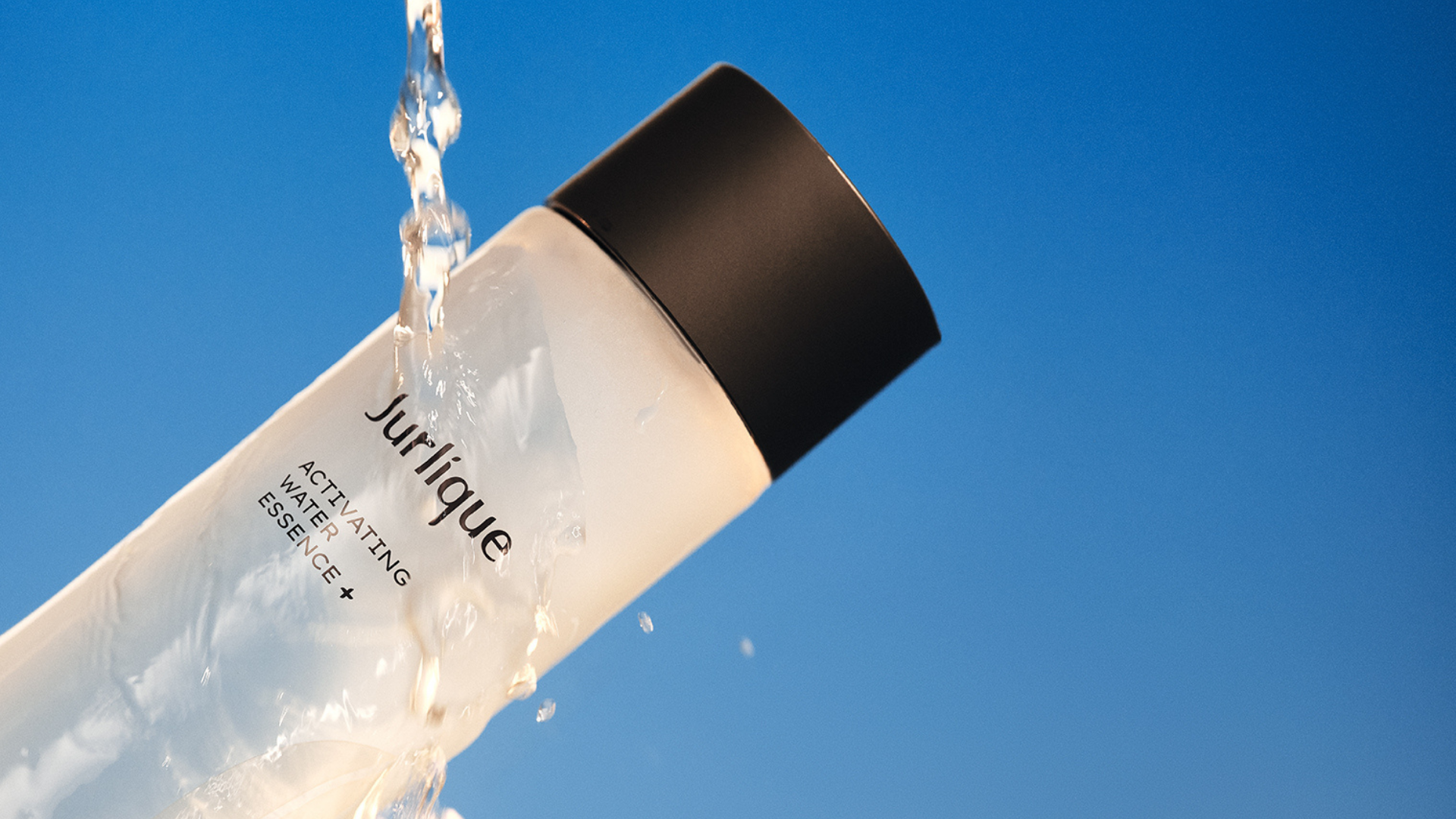
Products such as Rosewater Balancing Mist or Activating Water Essence+ can help replenish moisture and prepare the skin for the steps that follow.
Step 3: Use a Hydrating Serum
Serums deliver concentrated ingredients that support hydration and skin comfort.
Formulas such as Rare Rose Serum help replenish moisture and support smoother-looking skin.
Step 4: Moisturise to Maintain Hydration
Moisturisers help maintain hydration and soften the skin’s surface.
Nourishing creams such as Moisture Replenishing Day Cream help support dry skin while improving overall skin comfort.
Step 5: Seal Hydration with Face Oil
Face oils can help nourish dry skin and support lasting hydration by helping maintain moisture throughout the day.
Applying a few drops of a face oil as the final step in your routine can leave skin feeling soft and supple.
What Not to Do With Dry Skin
Certain skincare habits may worsen dryness.
Try to avoid:
- over exfoliating the skin
- using harsh cleansers
- taking very hot showers
- skipping moisturiser
- using alcohol-based skincare products
Adopting a gentle skincare routine can help maintain hydration and support skin comfort.
Tips to Help Maintain Hydrated Skin
In addition to skincare products, daily habits can also influence skin hydration.
Helpful practices include:
- drinking enough water throughout the day
- applying moisturiser after cleansing
- protecting skin from harsh weather conditions
- avoiding overly hot showers
These simple habits can help support smoother, more comfortable skin.
Nurturing Dry Skin with Gentle Care
Caring for dry skin begins with a gentle skincare ritual focused on hydration and nourishment. By choosing products designed to replenish moisture and maintaining mindful skincare habits, you can help support smoother, more comfortable skin.
With consistent care, your complexion can feel softer, balanced and visibly radiant.
FAQs
What is the best face routine for dry skin?
A simple routine that includes gentle cleansing, hydrating serums and nourishing moisturisers can help replenish moisture and maintain hydration for dry skin.
Is vitamin C good for dry skin?
Vitamin C is commonly used in skincare to help brighten the appearance of skin. When paired with hydrating ingredients, it can be suitable for dry skin types.
What not to do with dry skin?
Avoid over-exfoliating the skin, using harsh cleansers or taking very hot showers, as these habits may contribute to dryness.
How to fix dry face skin quickly?
Focus on hydrating skincare products such as serums, moisturisers and face oils that help replenish moisture and improve skin comfort.
How do I take care of dry skin on my face?
Use gentle skincare formulas and follow a consistent face care routine for dry skin that focuses on hydration and nourishment.


